
Explore how luxury investing thrives on scarcity, heritage, and global demand, offering resilience and long-term growth potential.
I recently completed a research trip to Europe, where I encountered the evolving landscape of luxury investing, which included visits to Ferrari’s Capital Markets Day and a private meeting with Brunello Cuccinelli. The following insights provide a comprehensive examination of the resilience, appeal, and strategic positioning of luxury brands in the global market.
Luxury Goods Market (EUR billions)
Source: Bain & CompanyThe Enduring Appeal of Luxury
Luxury stocks have long been a cornerstone of quality-focused international growth strategies. While the broader luxury sector navigates various macroeconomic headwinds, including a slowdown in China, slightly softer consumer confidence in the U.S., a slower pace of innovation and creativity, and an over-reliance on price increases post-COVID, it continues to offer compelling investment opportunities. The core thesis remains intact: luxury brands are built on intangible assets, such as heritage, exclusivity, and desirability, which are difficult to replicate and provide sustainable competitive advantages.
Cyclical Luxury Growth
Source: Bank of America, company reports.
As shown above, luxury revenues have experienced a 9% average per year growth rate, albeit with varied growth drivers. The global luxury market is vast, with annual sales estimated (Bain & Company) between $1.5 to $1.7 trillion across personal goods, experiences, cars, and high-end travel. Within this, personal luxury goods — including apparel, leather goods, watches, and jewelry — account for approximately $450 billion and have historically grown at mid- to high-single-digit rates annually.
Why Do Luxury Stocks Matter?
Luxury stocks are disproportionately influential in international indices due to their high margins and capital-light business models. There are three key reasons why luxury fits well within a quality growth investment approach:
- Resilient Growth: Luxury brands have shown consistent growth over decades, often outperforming broader consumer discretionary sectors due to their affluent customer base.
- Strong Brand Equity: Companies like Louis Vuitton, Hermès, Ferrari, and Brunello Cuccinelli possess pricing power and margin profiles that are rare in other industries —often exceeding 60% gross margins and 30% operating margins.
- Scarcity and Aspiration Management: Top-tier luxury brands excel at managing supply to maintain desirability, allowing them to raise prices above inflation without dampening demand.
Luxury consumption is less tied to income cycles and more to wealth creation, making it a resilient sector during economic downturns. While luxury spending may represent only 2% of global GDP, its contribution to global earnings and cash flow is significantly higher due to its margin structure.
Countries With the Most Millionaires
Source: 2025 UBS Global Wealth ReportThe European Roots of Luxury
One of the more philosophical questions is why are luxury brands predominantly headquartered in Europe? I attribute it to the deep heritage and craftsmanship traditions in countries like France, Italy, and Switzerland. Many of these brands have been around for over a century, and their longevity contributes to their perceived value and desirability.
Despite their European origins, luxury brands have global appeal. China and the U.S. are particularly important markets, each accounting for roughly a third of global luxury spending. Chinese consumers, in particular, have driven growth both domestically and through international travel, although recent economic challenges have tempered this momentum.
China: Challenges and Opportunities
China’s role in luxury consumption remains structurally important, but recent performance has been muted. A property slump erased an estimated $1.5 trillion in household wealth, creating psychological drag on spending. While the Chinese equity market has shown signs of recovery, translating that into luxury demand will take time.
There was a shift in consumer preferences toward experiences over goods, further complicating the outlook. However, we remain optimistic about long-term prospects, especially as wealth creation continues in emerging markets.
Travel and Tax Arbitrage
Global travel plays a nuanced role in luxury consumption. Wealthy consumers often seek “arbitrage” opportunities —buying goods abroad to avoid domestic luxury taxes or benefit from favorable currency exchange rates. For example, Chinese consumers have flocked to Japan during periods of yen weakness to purchase luxury goods at more affordable prices.
This behavior underscores the sophistication and mobility of luxury consumers. It also highlights the importance of global pricing strategies and the need for brands to carefully manage regional demand.
Scarcity and Brand Strategy
Maintaining scarcity is a central component of luxury brand strategy. Top-tier brands, such as Ferrari and Hermès, intentionally limit their supply to preserve exclusivity. Waiting lists for products like the Birkin bag or Ferrari’s hypercars are common and part of the allure.
However, not all brands manage this balance well. Gucci, for instance, pursued aggressive growth post-COVID, which diluted its exclusivity and hurt long-term brand equity. In contrast, brands like Brunello Cuccinelli emphasize disciplined growth to maintain their elite positioning.
Entry-Level Luxury and Aspirational Buyers
Luxury brands often use entry-level products to capture aspirational buyers early in their consumer journey. Hermès, for example, offers affordable items, such as lipsticks, to initiate brand loyalty, with the hope that consumers will eventually upgrade to more expensive products.
However, post-COVID price hikes, which averaged 35% globally, have priced out many of these entry-level consumers. As a result, brands like Ralph Lauren and Coach have benefited by offering more accessible luxury options, capturing market share from those priced out of higher-end brands.
Ferrari: A Luxury Brand in Automotive Clothing
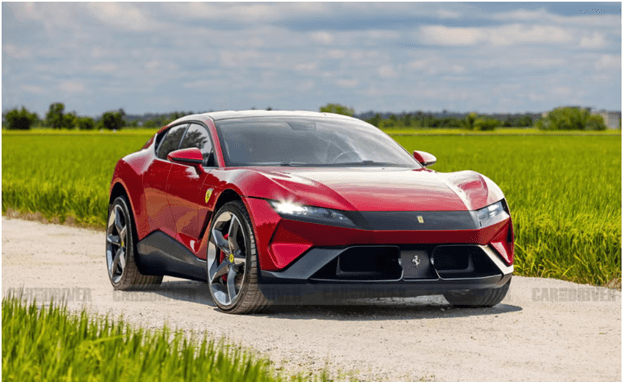
Ferrari’s Capital Markets Day was a highlight of my trip. The company unveiled plans for its first electric vehicle, the Ferrari Elettrica, showcasing proprietary technologies like a lightweight battery pack and specialized electric motors. The company had yet to fully reveal what the car actually looks like, but it previewed some of the unique in-house technology it has developed specifically for its EV. They have developed a range of proprietary technologies, including electric motors for each axle, a unique active suspension system, and a go-kart chassis.
Brunello Cuccinelli: Quiet Luxury and Humanistic Capitalism
My meeting with Brunello Cuccinelli offered insight into a brand that seamlessly blends artisanal craftsmanship with a philosophical purpose. Rooted in “humanistic capitalism,” the company emphasizes fair wages and sustainable growth. Cuccinelli’s focus on “quiet luxury” — understated, logo-free fashion — has resonated particularly well in markets like China, where conspicuous consumption is increasingly frowned upon.
Cucinelli started with cashmere, elevating it with design and fine craftsmanship. Over time, the brand has become synonymous with this trend of quiet luxury: no big logos, every piece is intentionally understated, designed to age well rather than chase trends. With only 2 million pieces sold annually to a small, loyal client base, Cuccinelli’s strategy is to grow slowly and intentionally, preserving exclusivity while expanding globally. Approximately 85% of their products come from small workshops where workers are paid wages that are significantly above the local average.
Tariffs and Pricing Power
Finally, what has been the impact of tariffs on luxury consumption? Luxury brands have the pricing power to absorb tariff costs without significantly affecting demand. Because the cost of goods sold is a small fraction of the retail price, even a 25% tariff on production costs results in only a modest price increase for consumers.
This pricing flexibility, combined with high margins and brand loyalty, allows luxury companies to navigate trade tensions more effectively than other sectors.
Conclusion
Luxury investing provides a unique perspective on global consumer behavior, economic resilience, and brand strategy. Its future is likely to be defined by scarcity, not scale. The sector’s strength lies not just in its products but in its ability to manage scarcity, maintain desirability, and adapt to shifting global dynamics. Whether through fashion, automobiles, or experiences, luxury remains a high-margin mainstay in the global investment universe. The best brands are also rediscovering that timelessness and restraint are competitive advantages.
When you sit across from Brunello Cucinelli and hear him say, “We build for two hundred years,” or you watch Ferrari limit production even as demand explodes, you realize these companies think in generations, not quarters. For investors, that’s the essence of quality growth — assets that compound cultural and financial capital simultaneously. Whether it’s Maranello’s engineering precision or Solomeo’s humanistic ethos, both reflect the same idea: scarcity, when well-managed, is the ultimate engine of long-term value creation.
Discover more about:
Related Content

More Insights

Uncertainty is High, the Margin for Error Isn’t

Navigating Supply, Rates, and Opportunities in Real Estate

With Intelligence Honors Thornburg with Two 2026 Mutual Fund & ETF Awards

Structural Forces Are Reshaping the Investment Landscape

A Disciplined Approach to Global Equity Income