
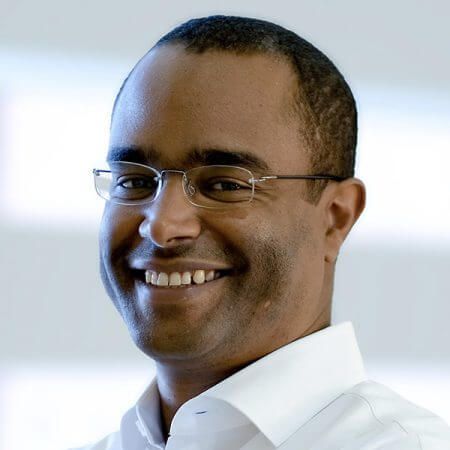
Ali Hassan shares his perspective on the Fed’s stance and the potential impact of monetary policy.
Details of the Fed Announcement
The FOMC kept rates steady after three consecutive cuts, with its target range holding at 3.50-3.75%. In voting to stand pat, the committee also enhanced its assessment of economic growth while easing concerns about the labor market relative to inflation. The Fed used similar language to that in December 2025: “In considering the extent and timing of additional adjustments to the target range for the federal funds rate, the Committee will carefully assess incoming data, the evolving outlook, and the balance of risks.” Two Fed governors—both appointed by President Trump—dissented against the decision and favored a quarter-point rate cut.
Ali’s Views
The Fed held rates steady and signaled patience, with modest statement changes. Growth was upgraded from moderate to solid, reflecting stronger consumer spending and stronger GDP growth. Employment-risk language was softened, likely because unemployment has stabilized and claims remain subdued. That supports the pause, as risks look more balanced in their view. They kept language that leaves room to ease later (“extent and timing”). Miran’s expected dissent came through at 25 bps. Waller dissented to keep his hopes alive for the Fed chair role. Bowman did not dissent. The statement did not have an immediate material impact on markets—a very slight hawkish move.
We see a resilient U.S. economy, supported by steady demand and fiscal support, as well as the AI boom’s investment cycle and wealth effect. The labor market is easing gradually, and layoffs remain contained. Inflation remains a key uncertainty. Progress versus last year is real, but inflation is still above target and not yet convincingly back to 2%. Looking ahead this year, there is debate over renewed inflation pressure from tariffs, immigration constraints, and fiscal policy. Some effects may arrive with a lag, which makes timing harder.
Resilience does not prevent surprises, and markets are not paying much for that risk. Credit spreads remain tight. Over the past year, we have seen geopolitical flare-ups and tariff shocks. Fiscal deficit expectations also swung. AI valuation and investment cycle risk remains. We expect volatility on the horizon, which will create opportunities for better rewards for risk.
We expect the neutral-rate debate to show up, including whether the economy can run hotter without reigniting inflation. We also expect questions on AI and the labor market, especially whether it is lifting productivity, slowing hiring, or both. Looking ahead, Fed independence and credibility could become a bigger driver for markets. Key flashpoints: The president airing his views, the DOJ probe involving Powell, the Cook removal fight, and the Fed chair succession. The next move will likely require Powell, or a successor, to build and maintain agreement across a diverse group of voters, after recent dissents and “yes, but” votes, that consensus-building matters as much as the data. We will be looking for clues on the Fed’s evolving thinking and when patience turns into further action.
Key Takeaways
Fed funds futures trading data suggest there may be up to two rate cuts in 2026, according to CME Group’s FedWatch tool. At his press conference, Powell said, “There was broad support on the committee for holding today, including among non-voters.” Powell also said that he thinks the federal funds rate is “loosely neutral.” Powell added that the committee would continue to make their interest rate cut decisions “meeting by meeting” based on incoming data. Powell’s term as chair ends in May, and President Trump has narrowed the field for his replacement to as many as four finalists.
Powell added that once prices fall, the central bank would look to cut back on policy. He expects to see “the effects of tariffs flowing through goods prices peaking and then starting to come down, assuming there are no new major tariff increases that are begun. He believes the Supreme Court’s Lisa Cook case is “perhaps the most important legal case in the Fed’s 113-year history.” At issue in the case is whether a sitting president can fire a Federal Reserve governor. Powell defended central bank independence, believing it’s a cornerstone of modern democracies and a safeguard against the politicization of monetary policy.
Discover more about:

More Insights

Uncertainty is High, the Margin for Error Isn’t

Navigating Supply, Rates, and Opportunities in Real Estate

With Intelligence Honors Thornburg with Two 2026 Mutual Fund & ETF Awards

Structural Forces Are Reshaping the Investment Landscape

A Disciplined Approach to Global Equity Income